
Green Karlsson Wall Clocks
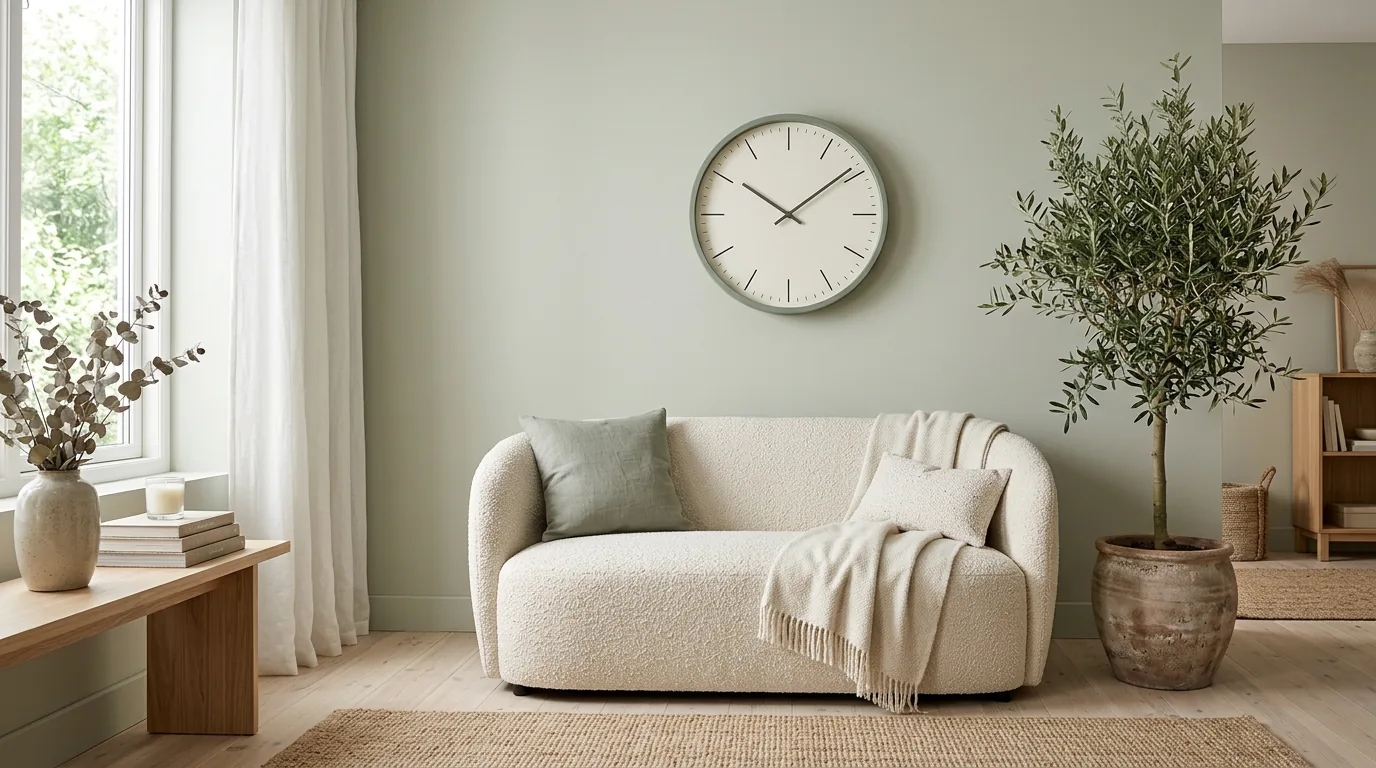
Green Karlsson clocks sit somewhere between statement colour and neutral. Sage, olive and forest tones suit plant-filled, nature-led interiors.
Green Karlsson Accents on Amazon UK
Live Amazon.co.uk listings — affiliate disclosure in the site footer.
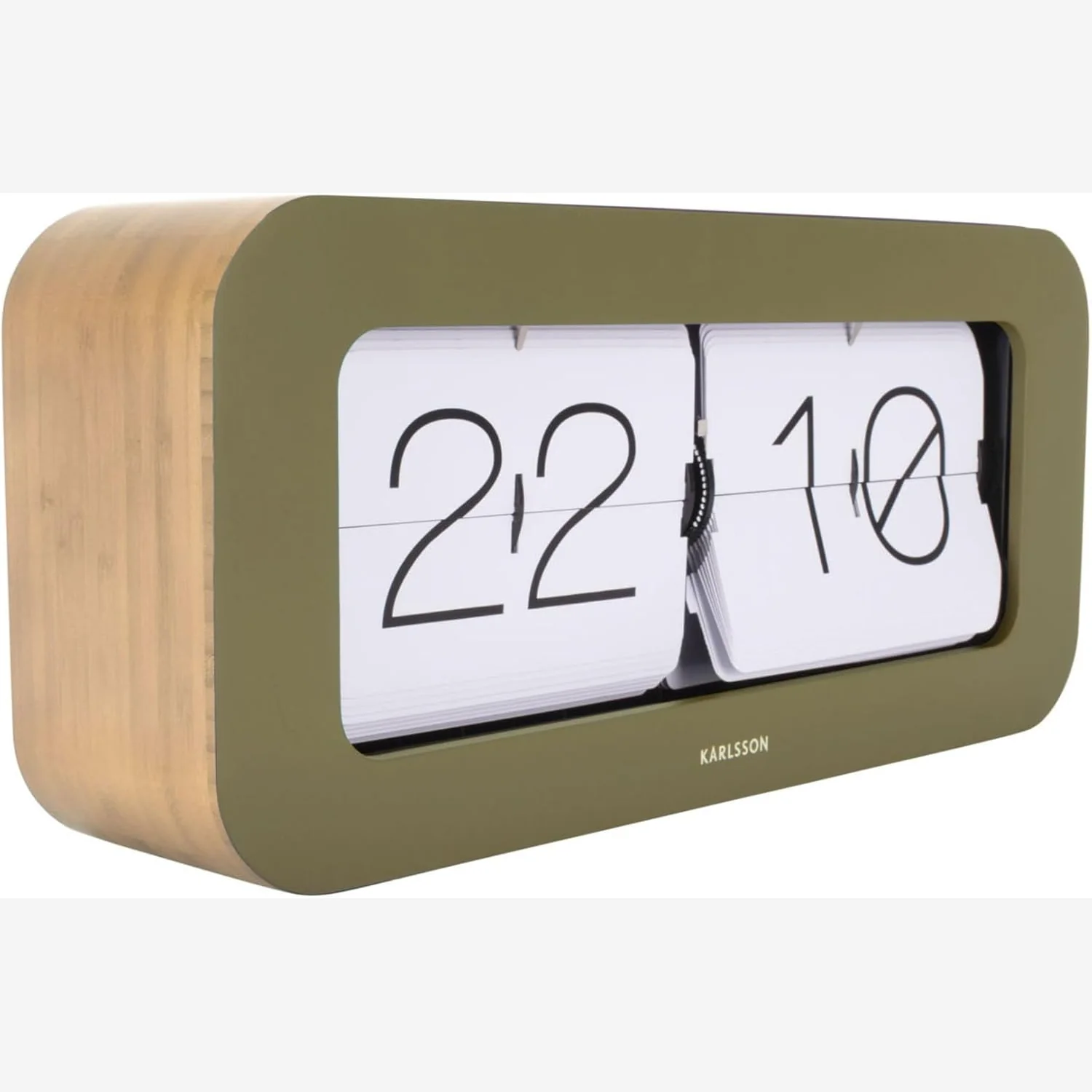
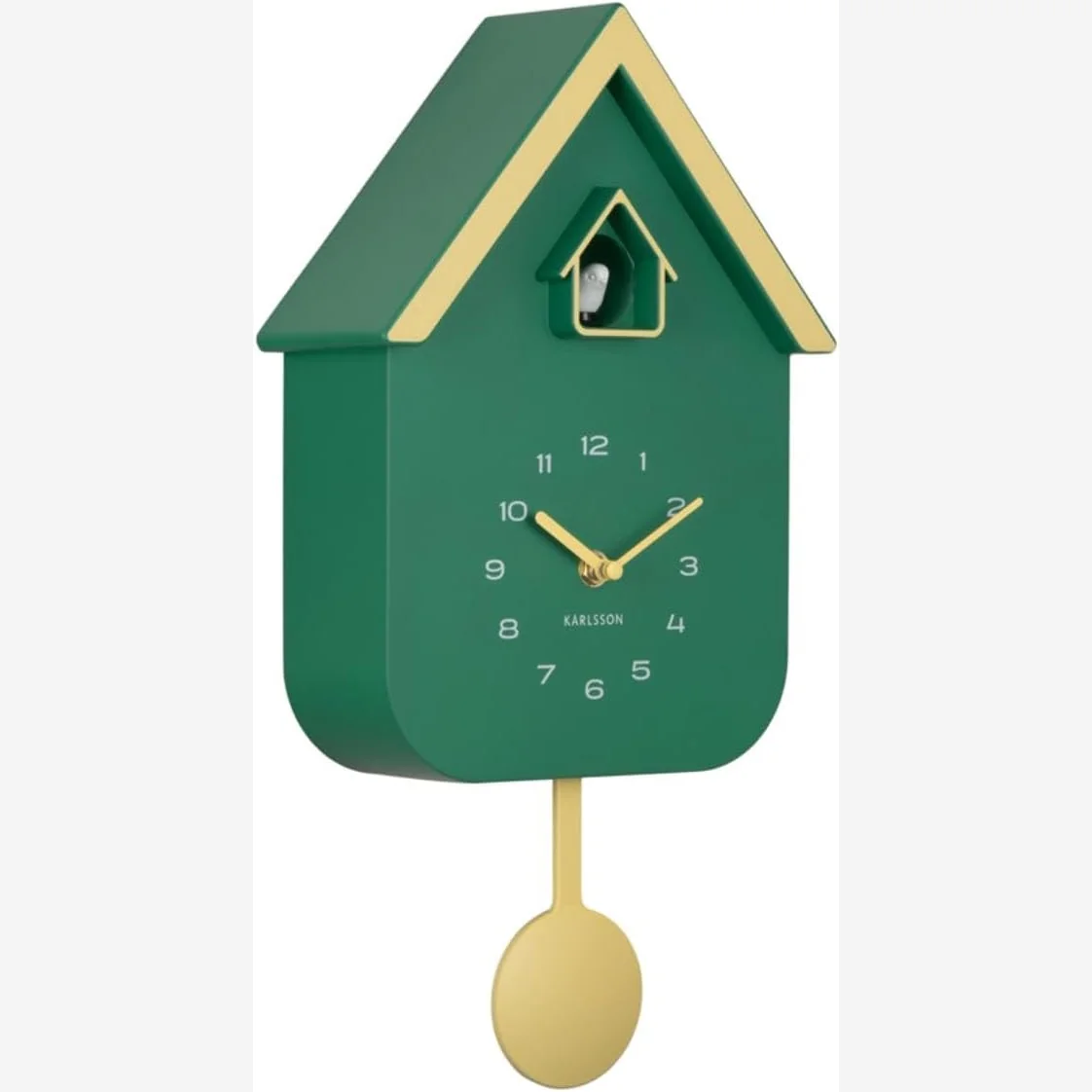
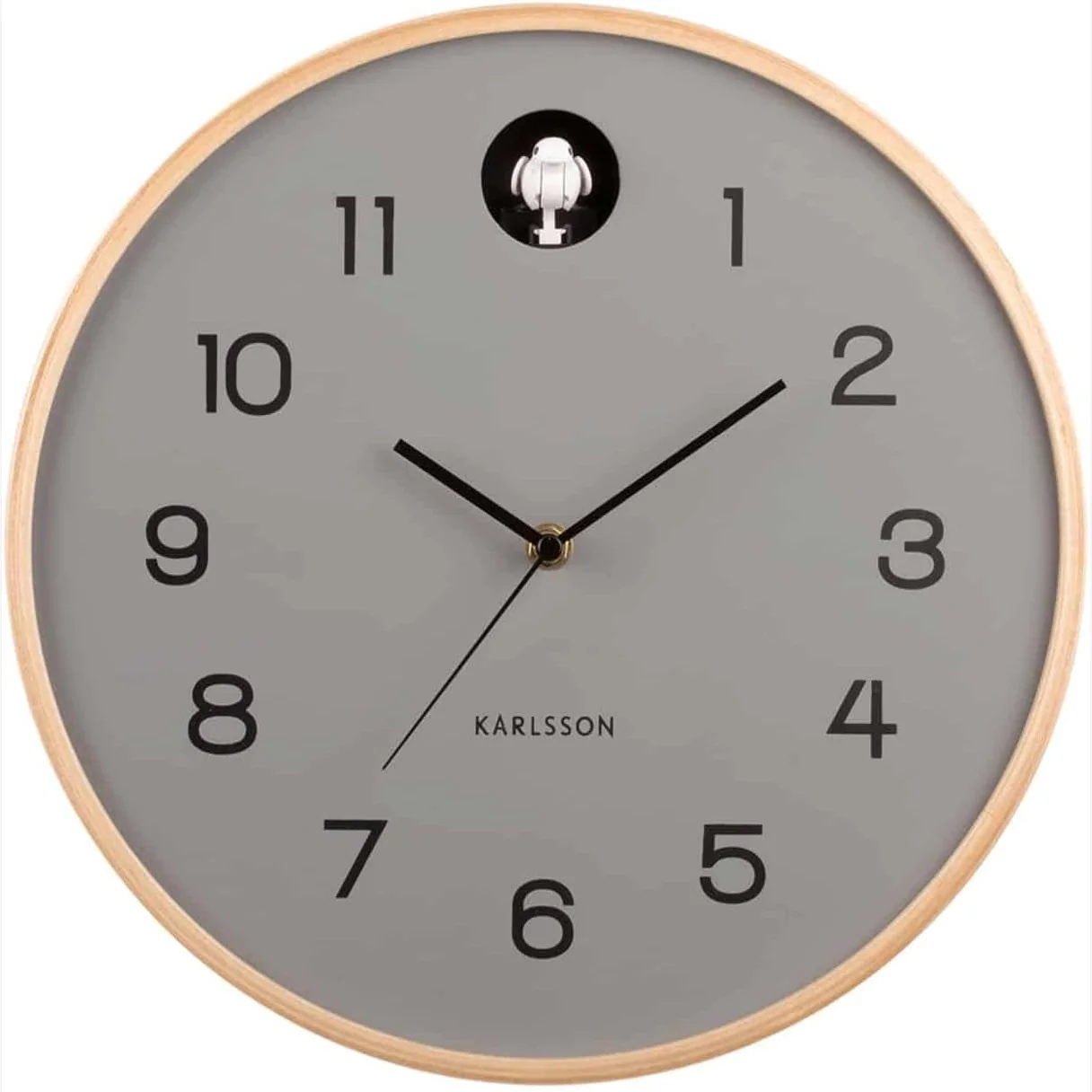
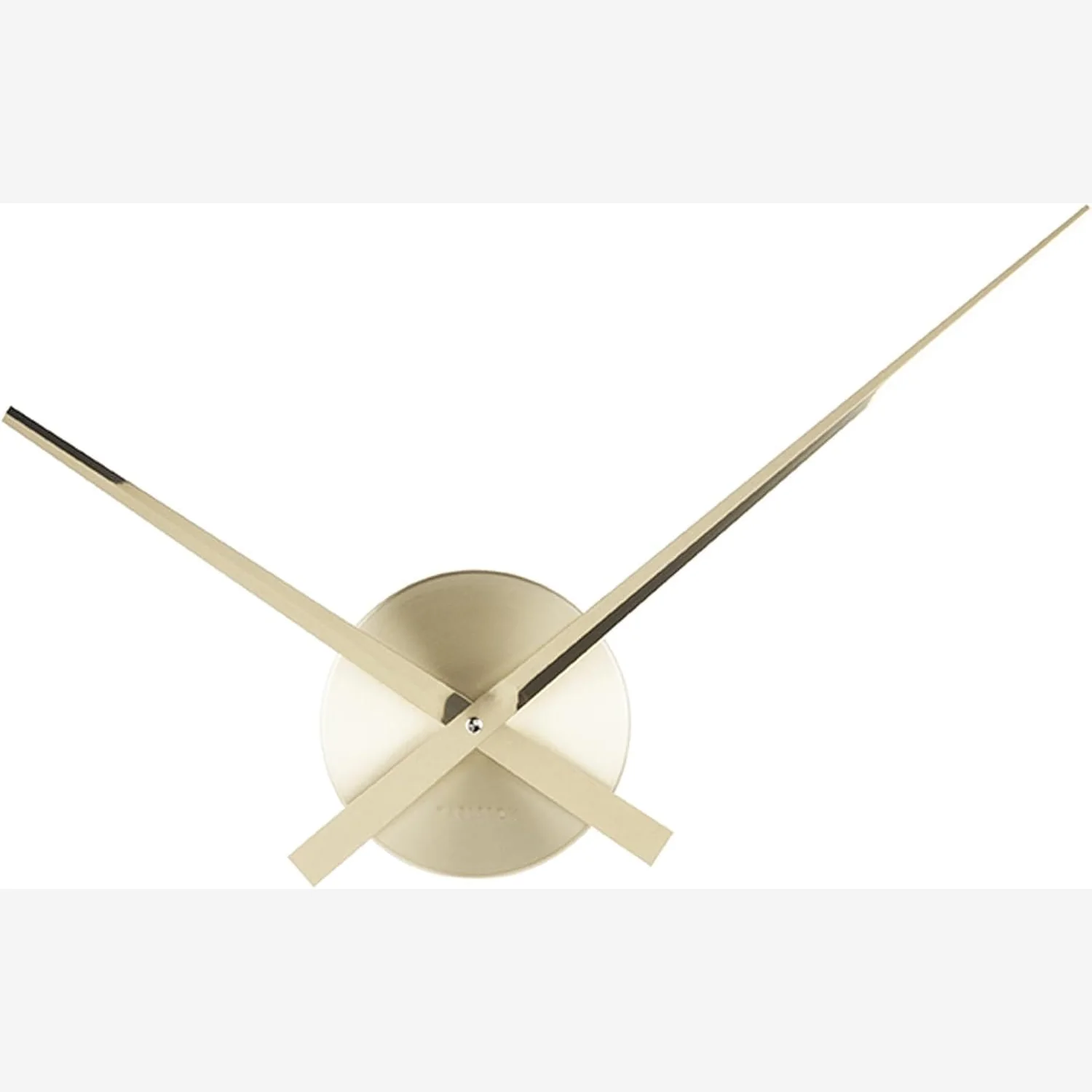
Green is the quietly rising colour of interior design. After a decade of white and grey minimalism and a few years of dusty pink and terracotta, the palette has moved to sage, olive and eucalyptus — muted, grounding greens that work with natural materials and indoor plants. Karlsson's green range sits right at that sweet spot. The clocks feel calm rather than bold, and they pair effortlessly with oak, linen, rattan and brass.
Unlike red or yellow, green almost never clashes. A sage clock will work beside a houseplant, in front of a green wall, next to yellow or blue furniture, and above oak shelving. The colour does the complicated work for you, which is probably why it's become one of Karlsson's best-selling categories in the UK.
The Amazon picks above span moss bamboo, forest greens and grey-green timber cues — choose contrast level against your paint before buying.
Which green for which room
Match the saturation to the room's energy. Bedrooms and studies want muted, desaturated greens — sage or olive. Kitchens and playrooms tolerate brighter greens — mint sits happily on a white tiled wall. Forest green works almost everywhere but best against warm neutrals, where the depth reads as rich rather than gloomy. In small rooms, favour sage; in rooms with lots of natural light, you can push into olive and forest without losing the lightness.
Green + metal
Green clocks pair beautifully with warm metals — brass, gold, rose-gold. The forest-and-brass option above is a particularly good example. Avoid silver or chrome pairings; the colour temperatures fight each other. If you already have brushed steel fittings in the room, stick with a sage or mint finish, where the cool undertone can bridge the two temperatures.
Green and plants
Pairing a green clock with actual houseplants sounds obvious but needs restraint. The trick is to make sure the clock's green is either lighter or darker than the nearest plant foliage — never the same tone. A sage clock next to a deep monstera works; a sage clock next to sage-toned eucalyptus just looks accidental.
Green as a transition colour
If you're nervous about a full-colour clock, green is the easiest entry point. It reads almost as a neutral in most rooms and ages well — unlike, say, bold yellow, which can feel dated within a few years. It also photographs beautifully, especially with natural side light. See our gold accent range for complementary brass pairings or the minimal range for something even calmer.
Quick Answers Before You Buy
The questions UK buyers most often ask us about this range.
Which green is right for my room?
Sage pairs with oak, linen and white — the safe choice for most UK homes. Olive suits warmer schemes with leather, terracotta or burnt orange. Forest green is the dramatic pick: it needs darker walls, brass and deep timber to sing. If you're unsure, start with sage.
Does green date quickly?
Not the muted end of the range. Sage and olive have been part of the classic interior palette for a century and aren't going anywhere. The greens to be more cautious of are very bright emeralds or neon limes — those are trend colours. Karlsson's green range sits firmly in the muted zone.
Will a green clock clash with plants?
No — it actually reinforces a plant-heavy scheme by picking up the foliage tones on an architectural surface. The only risk is placing a small green clock directly behind a large plant, where it disappears. Hang greens on walls the plants aren't already covering.
Is green too bold for a living room?
The muted greens Karlsson uses are effectively neutrals — they work like soft grey or warm taupe. You won't walk into the room and immediately see 'green clock'; you'll see a calm, resolved wall. That's the whole point of a muted palette.
Related Karlsson Ranges
Three more collections worth a look before you buy.
Pick your green shade
Green Karlsson clocks are seasonal and specific shades can disappear for months at a time.